
The Commander and the Troops
The Book of Five RingsThis thread traces mutual dependence between leaders and subordinates, from knowing individual abilities to directing collective action.
increasing Bearing strength in each event
 decreasing
Bearing strength in each eventdecreasingA Shared Way
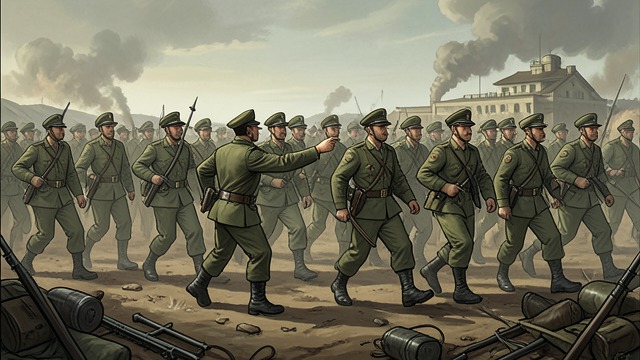
Different Ranks, Shared Study
Commanders and Troopers
Musashi assigns commanders the work of enacting strategy and troopers the duty of knowing it. Rank changes responsibility but not the importance of understanding.
A Collective Practice
The statement establishes a relationship in which leadership and execution depend on a common strategic language.
Knowing Individual Ability

Seeing Each Person
Strengths and Limits
The foreman carpenter assigns work according to what each person can do. Musashi argues that a commander must make a similarly accurate judgment about subordinates.
Respectful Direction
Knowing limits prevents unreasonable demands; knowing ability allows useful responsibility. The relation between commander and troop is shown as practical attentiveness.
Reading Morale
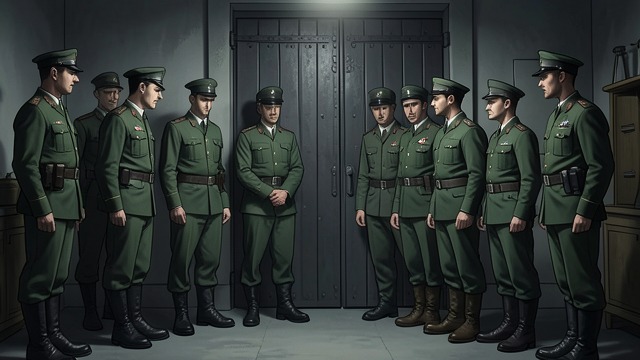
The Spirit of the Group
Attention Beyond Skill
The commander must understand morale and spirit, not only technical capacity. People’s readiness affects what a force can accomplish.
Encouragement and Trust
Musashi includes encouragement among the leader’s duties. Command is therefore a relationship maintained through observation and timely support.
Coordinating in Battle
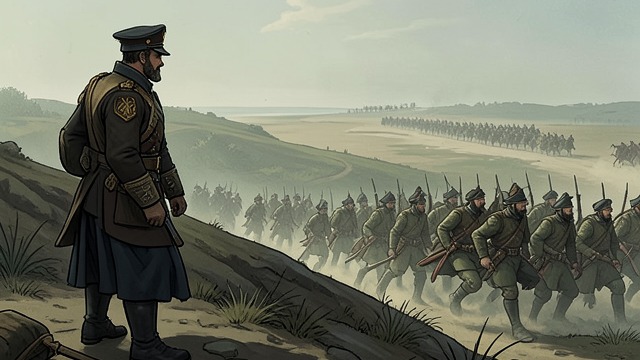
Moving Many as One
Reading the Enemy
The commander observes the enemy’s disposition and position, then moves troops accordingly. The group’s actions depend on shared direction and timely decisions.
Scale and Responsibility
A large force amplifies both good judgment and error. Leadership must translate strategic perception into coordinated movement.
Governance After Victory

The Wider Bond
Preserving Order
Musashi connects strategy with managing subordinates, governing a country, and fostering the people. The commander’s relationship with others continues beyond battle.
Authority as Care
Preserving discipline and the ruler’s order is part of strategic virtue. Leadership succeeds through the conditions it sustains for those under its care.
At the Ground Book’s opening
During the carpenter’s allocation of work
During the same discussion of leadership
When large-scale strategy enters the Fire Book
Near the Ground Book’s conclusion
